Personal project · 2026

A creative learning lab for active educators.


About the project
Strategies and tools for teachers who want classes where things happen.
The Interactive Classroom is an open-access platform I designed and built from scratch: a practical library of interactive tools, guides, competency frameworks and teaching methodologies. Free to use, no account needed.
A teacher can open it, find something useful, and have it running in their classroom the same day.
"Open it, use it, teach with it — today."
The problem
Technology is everywhere, but the classroom hasn't caught up.
The ability to create educational resources and design learning experiences is in anyone's hands. But that reality hasn't made it into most classrooms. Teachers feel overwhelmed by the pace of change — not for lack of will, but because of structural barriers that have always been there: unequal access to technology, preparation time that goes unpaid, curricula that keep getting heavier. In that context, technology is often seen as one more thing to learn rather than something that makes the job easier.
The Interactive Classroom starts from a different premise: technology should feel like an ally. Tools that are configured in seconds, ready to use immediately, no registration, no installation, no learning curve. And three things that matter equally — making resources genuinely accessible, bringing high-impact pedagogies within reach, and helping teachers be more intentional about the competencies they develop in their students.
Real accessibility
Adopting resources is still hard even when they exist. Learning new software, creating accounts, investing time that isn't there. Every tool on the platform is configured in seconds, works in any browser, requires no login. The barrier has to disappear before anything else can happen.
High-impact pedagogies within reach
Project-based learning, visible thinking, formative assessment, purposeful gamification, universal design for learning — approaches with strong evidence that most teachers know by name but rarely use in practice. Not because they're not interested, but because accessing them in a usable, practical way isn't simple.
Intentional competency development
Critical thinking, communication, autonomy, digital citizenship, social-emotional skills. Not as additional content to cover, but as threads that can be woven into any class, any subject, any level — once teachers have a clear map of what each competency actually looks like in practice.
Learnings & impact
What real classroom use looks like.
Games pull harder than expected
Educational games — Escape Room, Jeopardy, Wordle, Millonario — consistently rank among the most-visited tools on the site. Analytics confirm what teachers tell me directly: gamification has the evidence, but building a game from scratch takes time nobody has. When the game is already there and all you need to do is load your own questions, the barrier disappears entirely.
The simpler tools follow the same pattern. Pasapalabra, Bingo, word search, Pictionary, random selector — formats every teacher already knows, now usable with their own content in a browser. Familiarity removes the learning curve.
The most-visited guides reveal what teachers actually struggle with
Usage data shows that guides around inclusion — supporting students with autism or ADHD in the classroom — are among the most sought-after content on the site. That was not a priority I had anticipated. It shifted how I think about what "practical" means: not just activities and games, but help navigating the real classroom situations teachers feel least equipped for.
Biggest impact is not always most innovative
The signal I keep coming back to: the highest-traffic guide is "How to make a dynamic class." Not a complex methodology — just a real, common problem. Teachers do not always need to be introduced to something new. Sometimes they need the obstacle of implementation removed from something they already believe in.
Feedback that became a feature
Several teachers mentioned the same thing: they had set up a game, it had gone well, and they wanted to use it again — but had to configure it from scratch each time. That pattern led directly to a new capability across all the games: save your configuration as a file, reload it next time, or share a ready-to-use game with a link.
It was a small change technically. But it shifted the tools from single-use to reusable — which changes how teachers think about investing time in them.
What's inside
The four elements.
A library of contemporary pedagogies.
Each methodology is documented from idea to classroom: what it is, where it comes from, how to implement it, what tends to go wrong, and who to read next. The site presents them as a browsable bookshelf.
Skills as living things.
Mapped across five dimensions — thinking, communication, social-emotional, citizenship, and autonomy. Each one includes development levels, a zone of proximal development, connections to related skills, and coaching questions teachers can use right away.
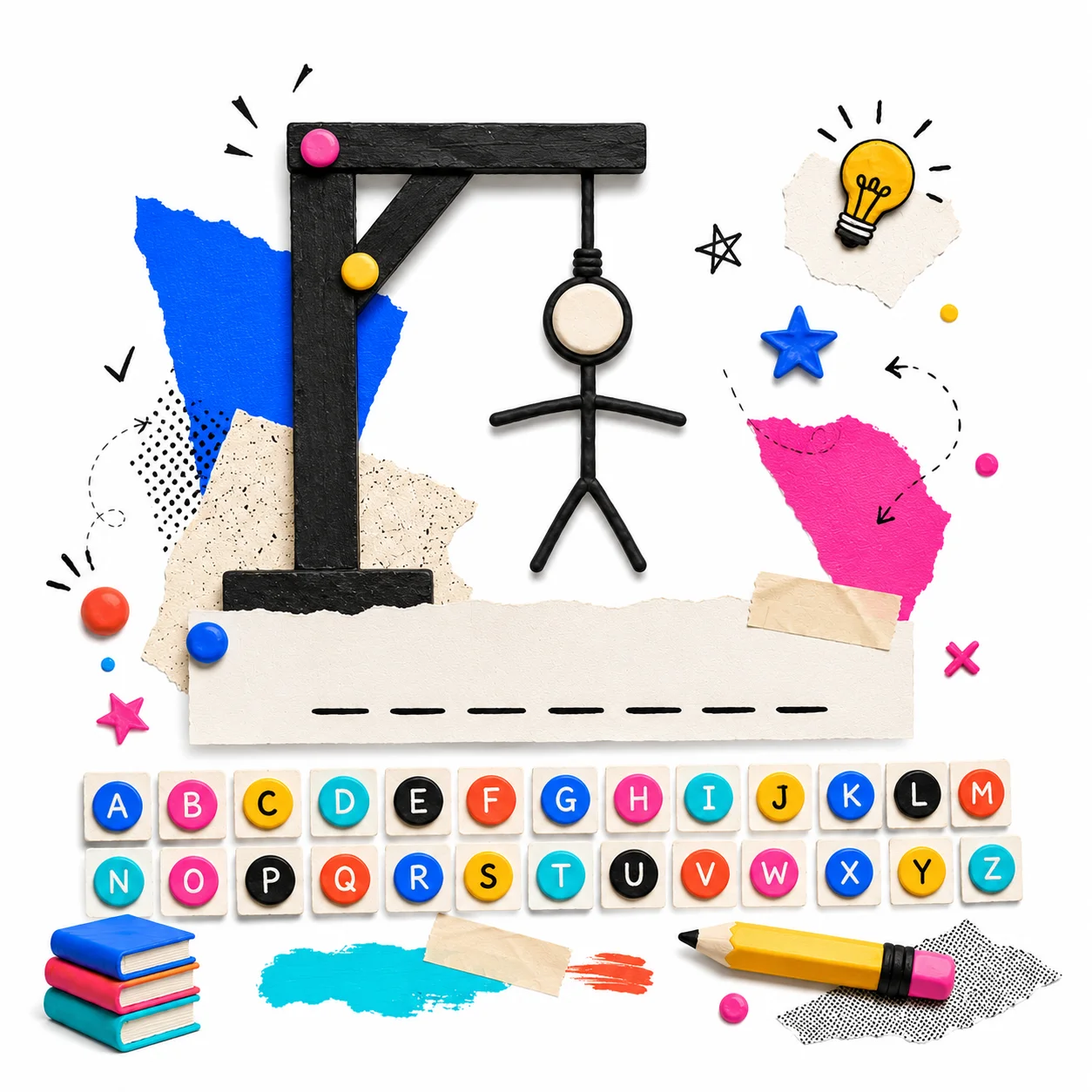
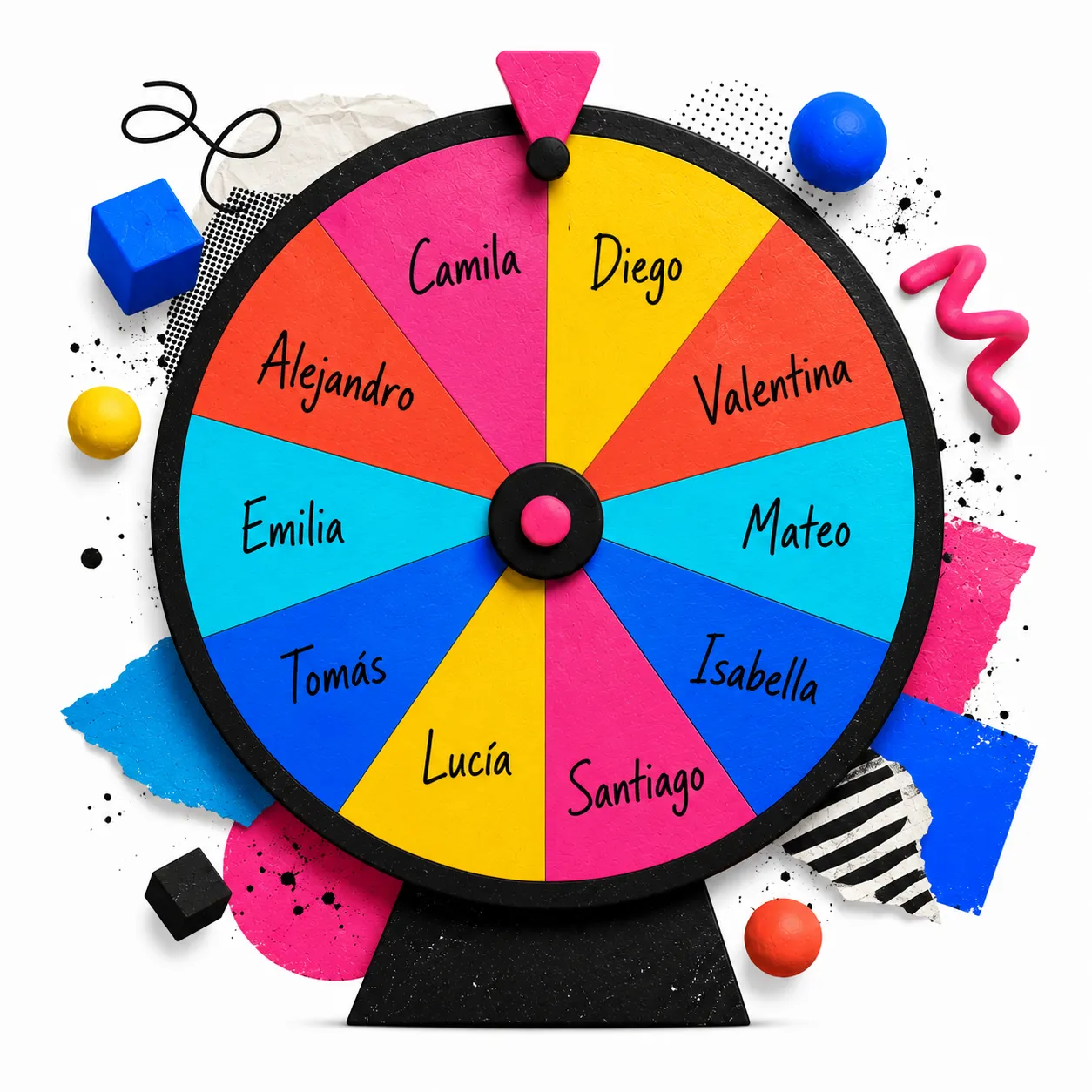

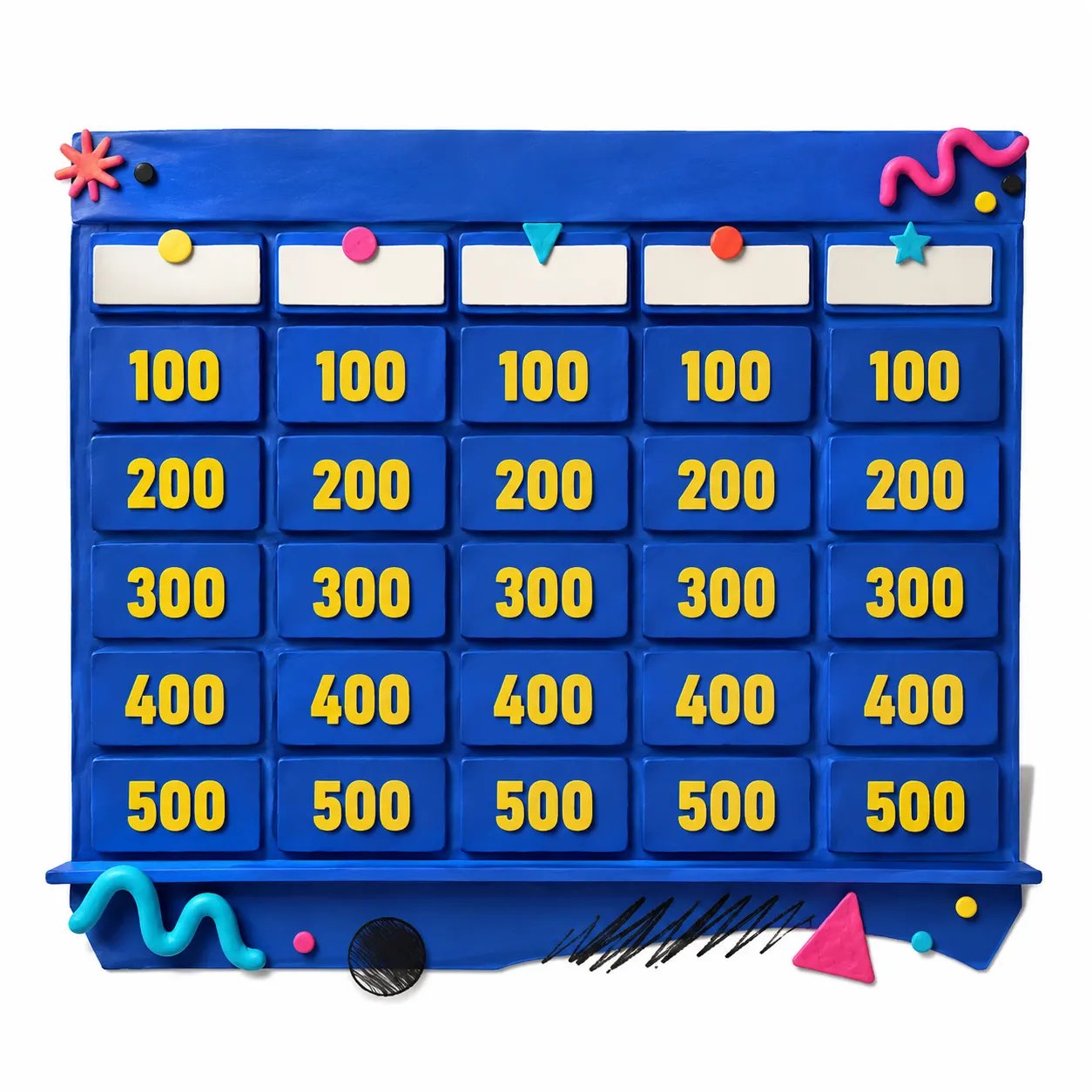
Interactive activities, zero setup.
Games, generators, card decks, collaborative tools and interactive templates. Each one is self-contained: instructions, live configuration and a shareable link all on the same page. Open it, tweak it, use it today.
Guides that bring it all together.
Each guide starts with a real classroom challenge. From there it walks through strategies, tools, activities and common mistakes, organised by teaching moment: before, during and after.